The Reasons Behind Oak’s Weather and Rot Resistance
Oak (Quercus spp.) is widely known as a highly durable hardwood whose timber withstands both weathering and biological decay exceptionally well. Historically, oak heartwood has been valued in shipbuilding and outdoor construction precisely because of its natural resistance. Below, we explain which chemical compounds in oak wood, as well as which anatomical and physical characteristics, give oak its superior decay resistance compared to many other hardwood species.
Chemical Composition and Resistance to Decay
The heartwood of oak contains a high concentration of natural protective substances that inhibit the growth of fungi and bacteria and reduce the harmful effects of moisture. The main contributors are:
Tannins:
Oak heartwood is characterized by a very high tannin content. These are plant-based polyphenolic compounds that act as natural fungicides and pesticides. The term “tannin” itself originates from the historical use of oak in leather tanning (the old German word Tanna referred to oak). Tannins protect the wood from fungi, bacteria, and insects by disrupting their metabolic processes. Studies have shown that oak tannins have a toxic effect on wood-decaying fungi: they inhibit the breakdown of lignin and cellulose, causing oak to decompose much more slowly than many other tree species. For example, it has been observed that submerged oak heartwood can last longer than even some softwoods—oak tannins prevent attacks by marine fungi and bacteria, making oak structures more durable than those made from pine or spruce. In addition, oak contains specific ellagitannins (a type of hydrolyzable tannin) that provide particularly strong resistance to fungal damage.
Lignin:
Lignin is a glue-like polymer that reinforces the cell walls of wood, making it rigid and hydrophobic. Thanks to lignin, dry wood is strong and does not absorb water easily. The higher the lignin content, the more difficult it is for fungi to break the wood down, as lignin decomposes biologically more slowly than cellulose. Oak is relatively rich in lignin (especially compared to fast-growing hardwoods), and the type of lignin found in oak is harder for fungi to digest. The natural durability of wood largely depends on the amount of lignin and extractives it contains—species with high levels of both, such as oak, are more resistant to decay. Lignin also reduces the permeability of the cell walls, limiting how deeply moisture can penetrate into the wood.
Other Extractives:
Over time, oak heartwood accumulates various other extractive compounds, such as flavonoids, phenolic substances, and waxes. These serve as a secondary line of chemical defense against biological attack. Oak contains derivatives of ellagic acid and other polyphenols that act as antioxidants and antifungal agents. These extractives interfere with fungal enzymes and cell growth, making the wood a less favorable environment for decay organisms. In addition, oak contains certain organic acids (such as tannic acid) that create an acidic and toxic environment for fungi. Altogether, the abundance of extractives in oak heartwood plays a major role in its durability—the accumulated chemicals bind metals and create conditions that are hostile to fungal activity, slowing down the decomposition process.
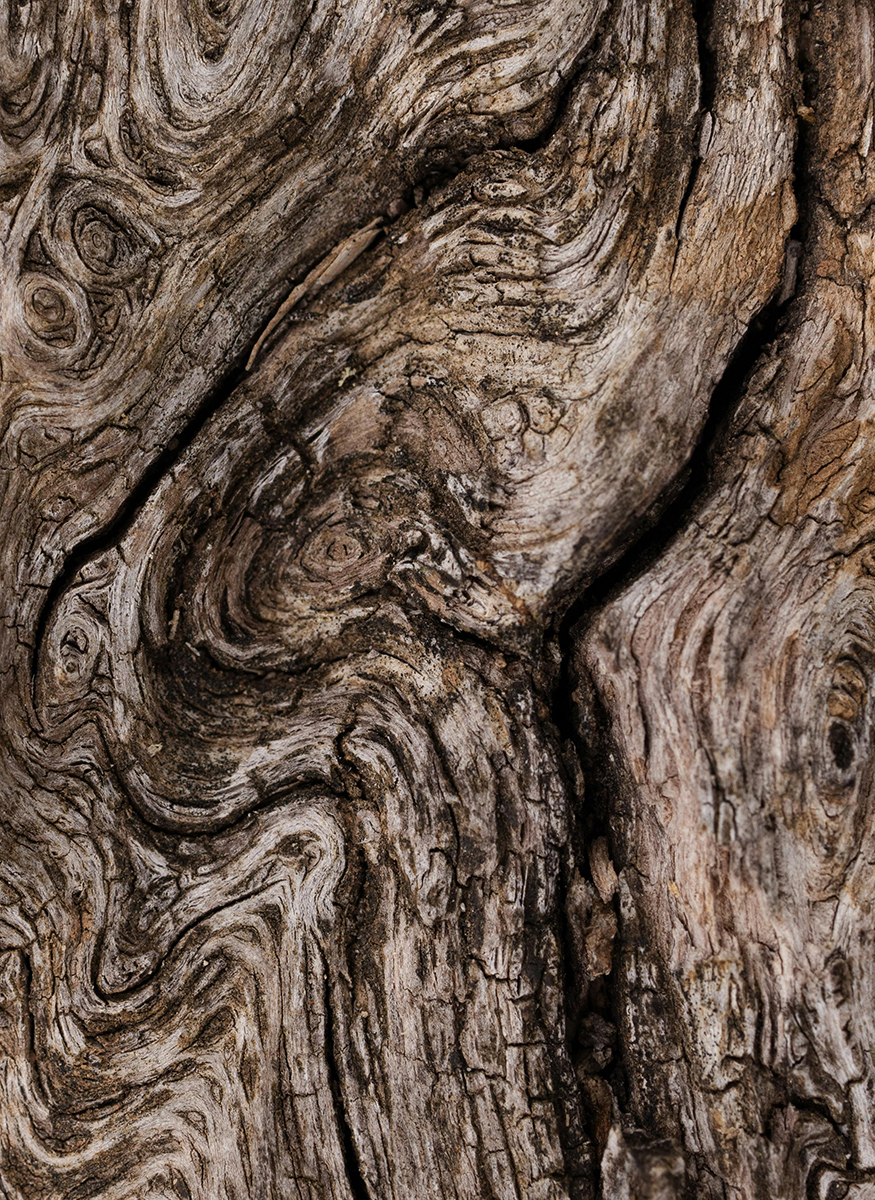
It is important to emphasize that oak heartwood (the inner part of the trunk) is significantly more durable than sapwood (the outer, living layer). As the tree ages, the inner conductive cells die and become heartwood, where oak accumulates high concentrations of tannins and other protective substances. This makes oak heartwood naturally resistant to decay. By contrast, sapwood contains fewer protective chemicals and therefore decays more easily. For construction and outdoor use, the darker, extractive-rich heartwood of oak is preferred for its superior natural durability.
Comparing Oak with Other Hardwoods
Many other temperate-zone hardwoods lack the protective compounds and structural features that are characteristic of oak, which makes their wood less resistant to decay. For example, European beech (Fagus sylvatica) and birch (Betula spp.) do not form the extractive-rich heartwood typical of oak. Beech wood does not show a clear boundary between heartwood and sapwood—in older parts of the trunk, only so-called “false heartwood” develops, which consists essentially of discolored dead cells without protective tannins. As a result, beech is highly susceptible to decay and survives outdoors only for a short time unless it is treated.
Birch wood also has low natural durability. Birch lacks high levels of tannins and resins, allowing fungi to begin breaking down the wood easily under moist conditions. Tests have shown that the wood of birch, alder, or aspen decomposes significantly faster than oak in high-moisture environments. In other words, oak’s unique chemical composition sets it apart from many other hardwoods—species whose wood lacks tannins and other extractives have very little natural resistance to fungal attack. For instance, it has been observed that the heartwood of oak and pine can survive in water for centuries, while hardwoods such as birch may soften and deteriorate relatively quickly.
It is also worth noting that there are other naturally durable wood species that share similar protective mechanisms with oak. For example, chestnut (Castanea) is also rich in tannins and shows strong resistance to decay, containing similar tanning compounds to oak. Tropical hardwoods such as teak contain natural oils and resins that give them high resistance to rot. However, among the hardwoods commonly found in our climate, oak remains one of the most durable because it combines high density, tannin-rich chemistry, and a distinctive anatomical structure.
Anatomical and Physical Factors
In addition to its chemical composition, the durability of oak wood is strongly influenced by its structure and physical properties:
Density and Hardness
Oak is a very dense and heavy wood, with an average density of around 720 kg/m³, placing it among the densest native hardwoods. High density means that the pores and intercellular spaces within the wood are smaller or filled with thick cell walls. This slows the absorption of moisture and leaves fewer voids for fungi to penetrate. Dense, hard wood also performs better under alternating wet and dry conditions—oak swells and shrinks moderately and tends to retain its shape. From a physical standpoint, fungi take longer to break down dense wood because there is more solid material and less air and water within a given volume. Oak’s hardness also provides protection against mechanical damage: surface impacts are less likely to penetrate deeply, making it harder for rainwater and microorganisms to reach the interior.
Ring-Porous Vessel Structure
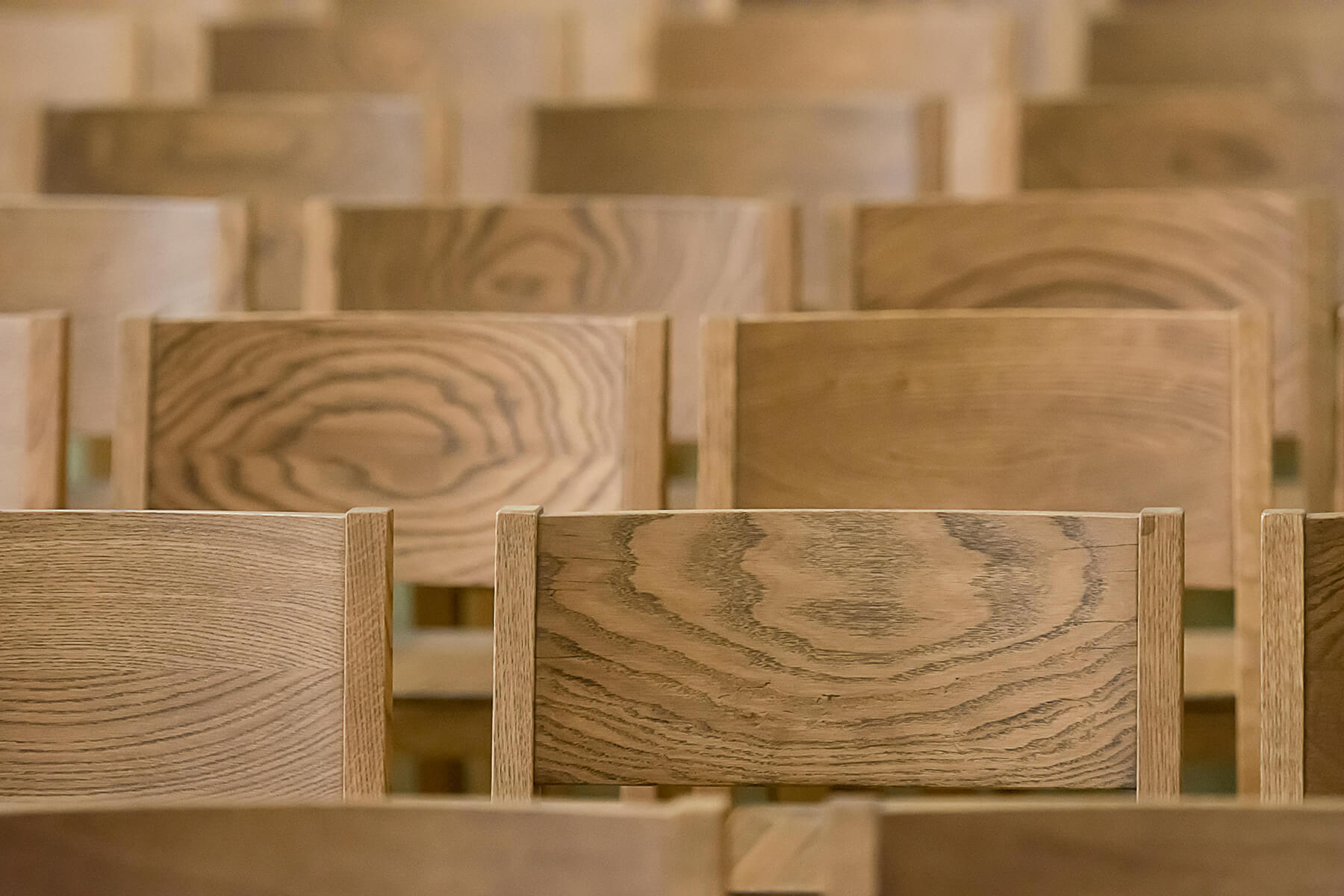
Oak is a ring-porous hardwood. This means that the earlywood of each annual ring contains large-diameter vessels, while the latewood consists of much smaller ones. The growth rings are clearly visible because of this contrast in pore size. While the large vessels allow rapid water transport in spring, they also facilitate the formation of tyloses. Tyloses are balloon-like outgrowths from parenchyma cells that expand into dead vessels and block them in the heartwood. In species of the white oak group (which includes European oak), tyloses are so abundant that the heartwood becomes almost watertight. They plug the vessels like natural corks, preventing both water and fungal hyphae from moving through the wood.
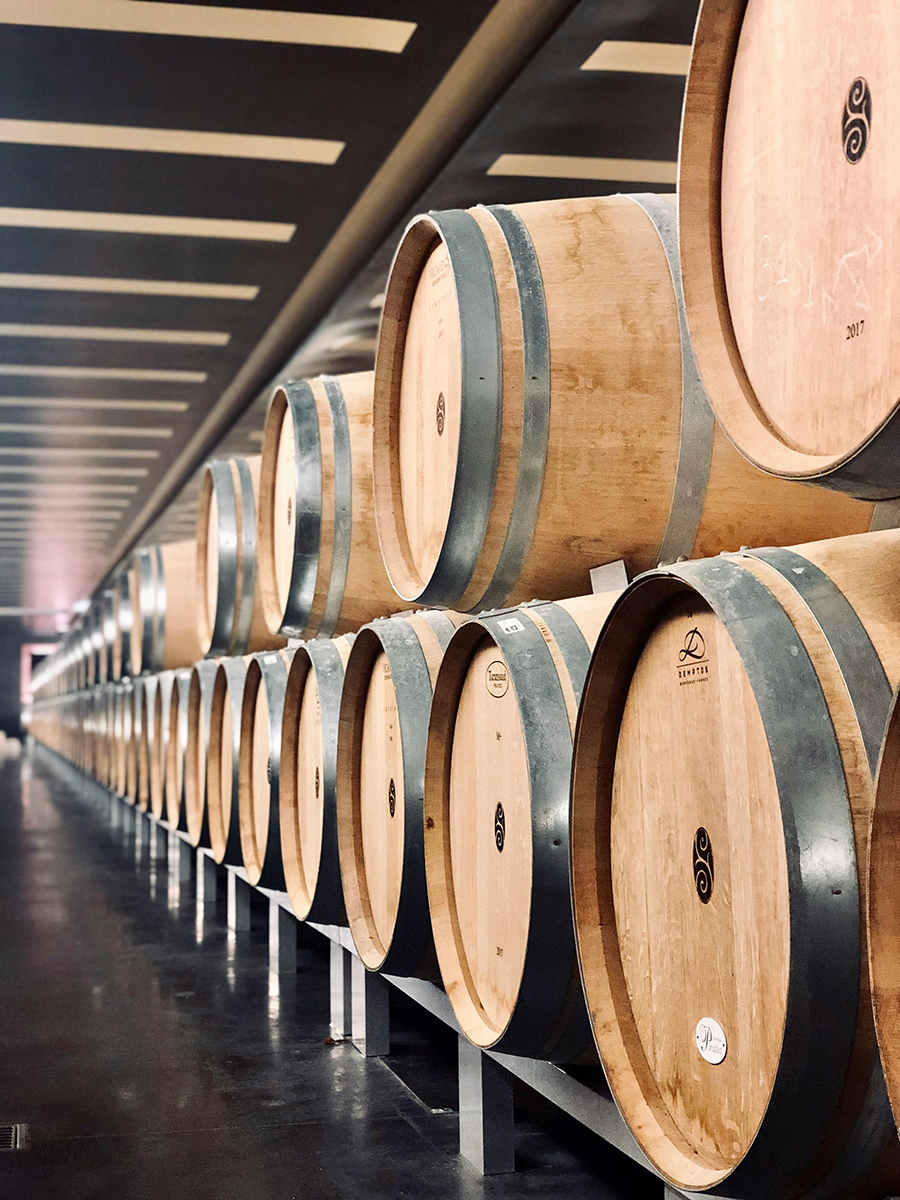
This is why oak—especially its dark heartwood—does not readily absorb water and is highly resistant to decay. For example, wine barrels and boat planking made from white oak heartwood hold liquids well because the pores are naturally “sealed.” In contrast, red oak species (such as North American Quercus rubra) have fewer tyloses and more open pores, making their wood less water-resistant and more prone to decay when exposed to moisture. Overall, the ring-porous structure combined with tyloses gives oak a major advantage over diffuse-porous woods: moisture movement is quickly halted by blocked vessels, whereas woods like birch or beech, with their fine and uniform pores, can absorb water more freely across the entire cross-section.
Medullary Rays (Ray Bands)
Oak wood contains particularly large and numerous medullary rays—radial bands of living parenchyma cells. In oak, these rays can make up nearly a quarter of the wood’s volume. Large rays provide additional strength and dimensional stability. Dried oak boards are less prone to splitting and warping because the rays help stabilize the wood—oak’s radial shrinkage during drying is only about 4%, meaning expansion and contraction occur more evenly. This reduces the formation of cracks under outdoor conditions.
The wide rays also hinder the movement of liquids: moisture that enters the wood is redirected sideways by the rays, and its path is interrupted because the same ray does not continue through the entire cross-section. In this way, the rays act as barriers, making the wood even less permeable. Together with tyloses, the dense ray structure ensures that moisture and air must follow a complex, obstructed path through oak—oak “breathes” very little and remains highly resistant.
Summary
In summary, the exceptional weather and decay resistance of oak results from the combined effect of multiple factors. Oak heartwood is rich in chemical protective compounds, such as tannins and flavonoids, which are toxic to fungi and slow down decomposition. At the same time, oak is physically dense and anatomically “sealed”: in ring-porous oak, large vessels are blocked by tyloses, and wide medullary rays restrict the movement of liquids. Unlike many other hardwoods that decay quickly without treatment—such as beech or birch—oak can remain serviceable for decades or even centuries. This is why oak has long been the preferred choice for durable structures and high-quality outdoor timber.