The role of herbs in Nordic cuisine – benefits and growing conditions
Despite long winters and short summers, the Nordic and Baltic regions have a deep-rooted love for aromatic herbs. Traditional local favourites like dill, parsley, and chives have seasoned soups, fish, and potato dishes for generations. Dill, in particular, is a symbol of Nordic home cooking – found in pickles, gravlax, and summer potatoes – offering a fresh, mildly sweet yet peppery aroma. Chives and parsley are equally versatile: chives add a mild onion note to egg dishes and salads, while parsley brings a clean, green brightness to stews and broths. Fortunately, these herbs are also well-adapted to cooler climates and grow happily in garden beds or containers.
In recent years, more exotic herbs have made their way onto northern tables. Though originally from warmer climates, they now complement the Nordic culinary palette.
Tarragon, for example – a staple of French cuisine with a soft anise flavour – grows well even in Estonia, Latvia, or southern Finland when protected from frost. While it’s not historically common in Nordic kitchens, its use in the Soviet-era green lemonade “Tarhun” gives it a nostalgic and unique cultural foothold.
Coriander, widely used in Middle Eastern and Asian cuisine, is a more recent arrival. Its fresh citrusy flavour has found space in modern Scandinavian fusion dishes – though reactions are mixed, as some find its taste soapy due to a genetic trait.
Lemongrass, a tropical herb essential in Thai cooking, is a more experimental addition. It doesn’t overwinter outdoors but can be grown in pots and moved indoors. When successful, it brings a welcome citrusy spark to northern dishes.
A trendier newcomer is “Mojito” mint – a milder, fuzzier mint variety used in cocktails. Though native to Cuba, it can survive winters down to –20 °C (hardiness zone 5–6), making it suitable for Baltic gardens.
The Nordic herb landscape is thus a blend of resilient local classics and adventurous imports. While dill and thyme carry tradition, newcomers like coriander or tarragon reflect open-mindedness and global influence in what is now called New Nordic Cuisine. Herbs in the north tell a story of adaptation – rooted in climate, but enriched by culinary curiosity.
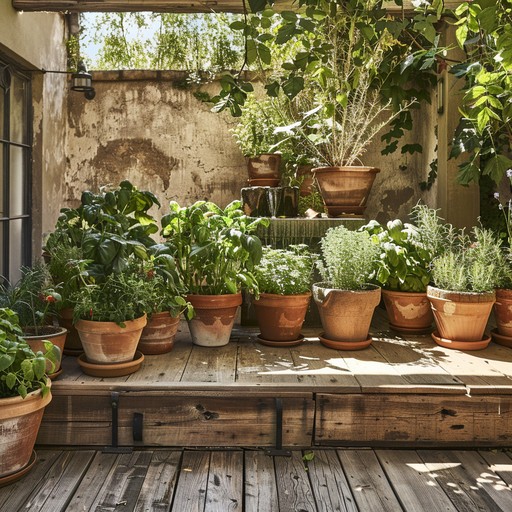
Growing Herbs Indoors, in Garden Beds, Pots or on the Balcony
Growing herbs can be a rewarding activity, whether you have a spacious garden or only a sunny windowsill. The cultivation environment has a big impact on plant health and harvest. Gardeners often wonder: should herbs be grown indoors, in a garden bed, in pots, or on the balcony? Each option offers unique advantages and challenges. Understanding these differences helps you choose the best method for your situation.
-
Indoors (indoor growing): Growing herbs inside provides a stable climate and protection from weather. Indoor plants are safe from frost, heavy rain, and most pests. However, sunlight can be limited through windows, so some herbs may need a bright south-facing windowsill or supplemental lighting to thrive. Herbs such as basil, parsley and chives often do well indoors because they enjoy warmth and steady conditions. Watch for dry indoor air, and remember to water regularly, as heaters or air conditioning can dry out the soil quickly. Indoor herbs can brighten your home and provide fresh ingredients year-round, but keep an eye out for common houseplant pests and ensure good air circulation.
-
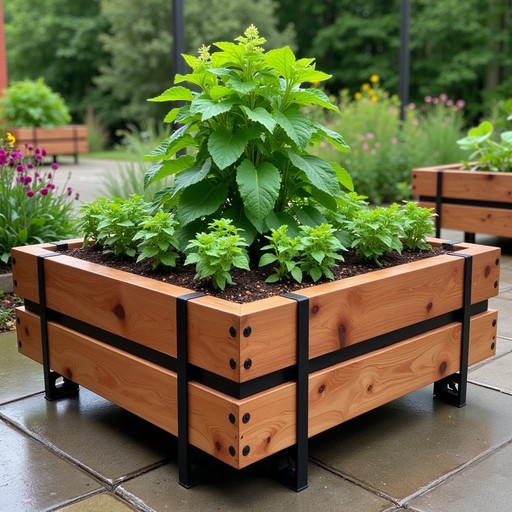
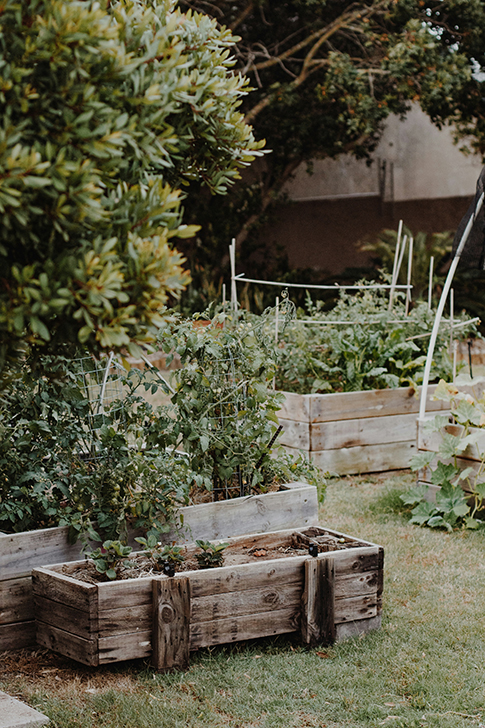
Garden bed (open ground): Planting herbs in a garden bed gives them plenty of space and natural soil resources. Outdoor soil usually contains nutrients and beneficial microorganisms that help plants grow. Rainfall generally waters the garden, but you may still need to mulch or cover herbs during heavy downpours, drought, or unexpected frost. Garden herbs are exposed to the local climate, experiencing temperature swings, wind and direct sunlight. Many hardy herbs – like thyme, rosemary, mint and oregano – thrive in open gardens and can survive light frost. However, some herbs (such as mint) can spread vigorously, so it may be wise to contain them or plant them separately. Also, most garden herbs prefer well-drained soil, so if your soil is heavy clay it might need amending with compost or grit. Outdoor planting can yield larger harvests as long as you provide some care.
-
Pots or containers: Container gardening combines some indoor and outdoor aspects. Herbs in pots can be moved according to sun and weather. For example, you can bring pots indoors during a cold night or shift them into the shade on a hot day. Containers heat up quickly in the sun, so herbs may need more frequent watering than in the ground. The advantage is full control over the soil mix and reduced weed pressure. Ensure pots have good drainage (holes in the bottom) and use a high-quality potting mix. Choose pot size carefully: larger pots hold more moisture, while small pots dry out quickly. Potted herbs are perfect for patios, terraces or small urban yards. Popular choices for pots include mint, oregano and smaller basil varieties, as they adapt well to container life.
-
Balcony: A balcony herb garden is essentially container gardening in a compact space. Many balconies get good sunlight, but wind can be strong and space is limited. Secure your plants with heavier pots or railing planters to prevent tipping. Pay attention to orientation: a south-facing balcony will have intense sun and heat in summer, while a north-facing one may get very little direct light. Some herbs like parsley or chives tolerate partial shade, whereas others like rosemary or oregano prefer full sun. With thoughtful selection and placement, even a small balcony can yield a generous supply of fresh herbs throughout the season.
In general, outdoor-grown herbs often develop stronger flavors because of full sun and natural stress. Indoor herbs may grow more quickly but sometimes have a milder aroma. Consider how you plan to use each herb: a cook in an apartment might keep a pot of basil near the stove for easy harvesting, while a gardener with a yard might enjoy cutting a large bunch of mint from the garden. Also think about watering and soil: indoor potting mixes drain quickly, so pots often need more frequent watering than outdoor beds. Outdoor soil usually retains moisture longer but may need amendments (like compost or fertilizer) for nutrients. Matching an herb’s preferences to the right location – and paying attention to how it responds – will guide you toward the healthiest, most flavorful harvests.
Nordic Climate: Short Summers and Long Winters
In the Nordic climate, winter is long and summer is short. Frosts can occur into May or begin in September, significantly shortening the growing season. These conditions give herbs much less time to mature outdoors than in milder climates. Gardeners in northern regions must plan carefully to make the most of the warm months. Nordic summers have a distinct advantage: very long days with up to 20+ hours of daylight can boost growth. However, the sun’s angle is low, so overall heat and UV intensity are limited.
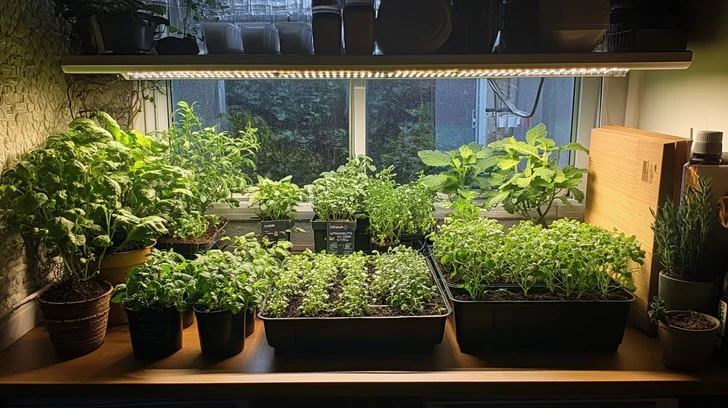
Nonetheless, many herbs grow vigorously during the warmest weeks due to nearly continuous light. In contrast, winter brings very short days and long nights. Most herbs become dormant under snow cover or indoor conditions. To bridge the seasonal gap, gardeners often use greenhouses, cloches or start seedlings indoors under grow lights. These tools allow herbs (like basil or thyme) to get an early start or even continue growing after the frost-free period.
The long, snowy winters mean heavy freezes, often well below –20 °C in parts of Scandinavia. Only the toughest herbs survive outdoors: for example, mint, chives, thyme and oregano typically re-emerge each spring. Tender herbs such as rosemary, basil or cilantro will not survive long freezes if left outside. Many gardeners thus keep these in containers and move them indoors for winter, or grow them as annuals. Knowing your local hardiness zone and microclimate is important, since conditions can vary between a sheltered southern garden and a colder northern site.
Successful Nordic herb gardening often blends indoor and outdoor growing. Sowing seeds indoors in late winter under lamps is common, so seedlings are ready to go once the frost danger has passed. Using cold frames or a heated greenhouse can extend the season by protecting plants during spring and fall. Mulching beds or using frost cloths are other ways to protect herbs during chilly nights. Choosing the right herbs is critical: some Mediterranean varieties like sage or oregano thrive in cool summers with long light, while others need extra warmth or must be treated as annuals.
In short, by using greenhouses, indoor starts and careful planning, Nordic gardeners can enjoy fresh herbs from late spring through early autumn despite the brief growing season.
Year-Round Outdoor Herbs: Hardy Perennials
In temperate climates, several common perennial herbs can survive outdoors through the winter and return in spring. This means you can keep them planted in the garden year-round. Key cold-hardy herbs include chives, mint, thyme, oregano and sage, along with others like lovage, winter savory and garden sorrel. Each of these has features that help it withstand frost. For example, chives regrow from bulbous roots and often stay green under light frost, while mint spreads aggressively to form a dense mat that protects it from freezing.
-
Chives (Allium schoenoprasum): An extremely hardy herb. Chives will usually tolerate freezing temperatures. The thin green leaves often turn brown in winter, but in spring they regrow from their bulbs or root clumps. They even bloom with pink flowers. In late fall, cut back the withered leaves and apply a layer of mulch (compost or straw) over the patch – chives will then come back vigorously in spring.
-
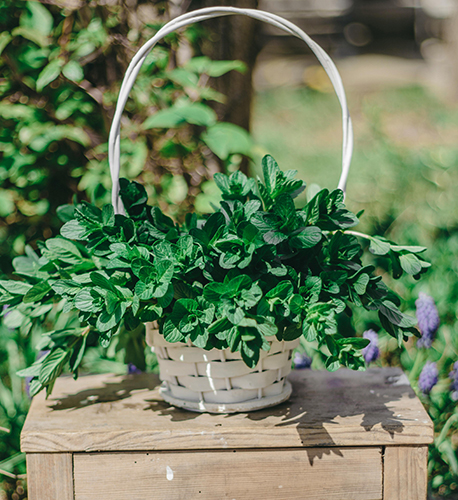
Mint (Mentha spp.): One of the toughest garden herbs. Mint spreads via underground runners (rhizomes), forming a dense patch. Even if the top growth is killed by frost, mint will almost always sprout again from its roots as soon as warmer weather returns. Mint is so vigorous that many gardeners contain it in a pot or separate bed to prevent it from taking over the garden.
-
Thyme (Thymus vulgaris) and Oregano (Origanum vulgare): These Mediterranean perennials are winter-hardy in much of Europe. They grow low to the ground and become woody, often remaining evergreen or semi-evergreen under snow. They require little attention – just trim them back if needed – and they usually survive and thrive year after year.
-
Sage (Salvia officinalis): Sage is fairly hardy in mild climates. Its woody base often survives winter even if the leaves die back. If some stems are lost to cold, simply prune it in spring and it will regrow from the base.
-
Lovage (Levisticum officinale) and Sorrel (Rumex acetosa): Tall, hardy perennials with deep roots. They die back in winter but re-emerge strongly in spring. Lovage is often left standing through fall so it provides early spring stems. Garden sorrel (also called dock or French sorrel) is frost-tolerant and provides edible leaves early in the season.
In general, any perennial herb that is hardy in your region can be left outside all year. Tender herbs like basil, cilantro or dill cannot survive winter and must be replanted or brought indoors annually. A simple winter routine is to cut back dead stems after frost and apply a layer of mulch around the plants. This helps protect their roots from harsh freeze–thaw cycles. By choosing hardy varieties and giving them minimal protection, you can enjoy fresh herbs from the garden every spring without replanting each year.


Tools and Solutions for Growing Herbs in Small Gardens and on Balconies
Many urban gardeners, and even those with only a small corner of a garden and little bed space, use clever tools and setups so they can still grow herbs. One solution is tiered planters – for example, stepped flower boxes or shelf-like structures where multiple layers of pots can be stacked on top of each other. In this way, vertical space is used efficiently, allowing a variety of herbs to be grown together in a compact area. A three-tier herb planter, for instance, can hold plants at different heights, giving each herb the right amount of sun or shade while making watering and harvesting easier on a small balcony or patio.
In addition to tiered planters, vertical gardens provide another smart option for tiny spaces. By attaching hanging planters, grow bags or racks to walls, fences or railings, gardeners can create a lush green wall of herbs without losing any floor area. Hanging baskets and rail planters are particularly popular on balconies – trailing herbs like thyme or mint spill over the sides of a railing while leaving the ground clear. A sturdy shelving unit placed against a wall can also accommodate dozens of potted herbs in tiers. Even windowsills can become mini herb gardens when fitted with tiered shelves or plant stands, bringing chives, parsley or basil within easy reach of the kitchen.
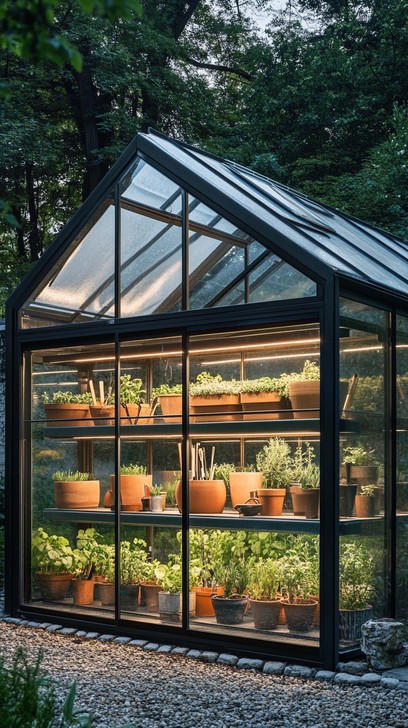
In cooler northern climates, extending the growing season can be very helpful. Many small-space gardeners use mini-greenhouses, cloches or tiny cold frames even on their balconies to protect herbs from late spring or early autumn frosts. A compact polythene greenhouse or a clear plastic cover will shelter delicate herbs (like basil, coriander or parsley) from chilling winds and allow one to start growing earlier in spring. At the same time, good drainage and a light potting mix are important: adding a moisture-retaining gel or some perlite to the compost can help keep small containers from drying out in hot, dry weather. Self-watering pots and simple drip-irrigation systems are also handy tools, making sure herbs get a steady supply of water without daily attention.
For all these setups, choosing the right containers and supports is key. Lightweight materials such as plastic, fibreglass or thin metal make pots easier to move as the sun’s position changes. Climbing aids, stakes or wire supports help taller herbs (like rosemary or young bean plants) stay upright in pots. Overall, even the smallest urban plot or balcony can be turned into a fruitful herb garden by choosing multi-level planting systems, vertical structures and small greenhouse covers. With these space-saving ideas, hobby gardeners in cities or small yards can enjoy a wide variety of home-grown herbs.


The Meaning of Herb Cultivation: A Touch of Culture and Emotion
Herb gardening is much more than just a way to flavour food – it is part of our cultural heritage and personal rituals. It grows out of a caring relationship with nature, intertwined with the sensory qualities of herbs and the magic of memories. Growing fragrant herbs evokes the tastes and scents of the past: for example, parsley or dill thriving in a grandmother’s garden can bring back childhood memories. Yet herb gardening offers more than mere nostalgia: it provides a sense of deeper connection to traditions and makes us more conscious of nature’s cycles. In this sense, cultivating herbs becomes a practice that links daily life with history and culture.
On an emotional level, an herb garden is a place where even the smallest plant can bring peace and joy – planting seeds and tending to the soil by hand are meditative actions that soothe the mind. Through this care, the garden becomes a space where our personal memories and cultural narratives intertwine – a small herb garden can reflect national customs as well as each person’s own love of nature. It is a gentle reminder that cultural identity and individual well-being can grow from the same earth.
The Boom of Herb Gardens: A Sustainable Hobby or a Consumption Trend?
Recently, a trend has emerged of growing herb gardens at home: advice is shared on Instagram and home-garden blogs about planting spices and medicinal herbs on a windowsill or balcony. The motivation is to supply oneself with fresh, flavourful herbs and to feel a stronger connection to nature in everyday life. This phenomenon is double-edged: on one hand, herb gardens are indeed a step toward a more sustainable lifestyle – they reduce food waste and transport emissions, and they help us appreciate plants’ seasonal cycles. On the other hand, it can also be seen as a lifestyle trend packaged by marketing: instead of store-bought herbs, people choose to grow their own for reasons of eco-consciousness and a sense of aesthetic fulfilment.
It is important to approach this development with a critical eye: is the idea truly sustainable and enduring, or merely a passing fad? From a sustainability perspective, cultivating herbs at home supports a greener mindset, but it also requires thoughtful use of resources like pots and organic methods of care. On one hand, home-grown herbs can genuinely improve household well-being; on the other, we should consider our true motives: will our herb garden remain a sincere sanctuary or simply become another Instagram-worthy backdrop? Ultimately, the answer may lie in whether the practice is embraced as a mindful habit rather than a short-lived trend.